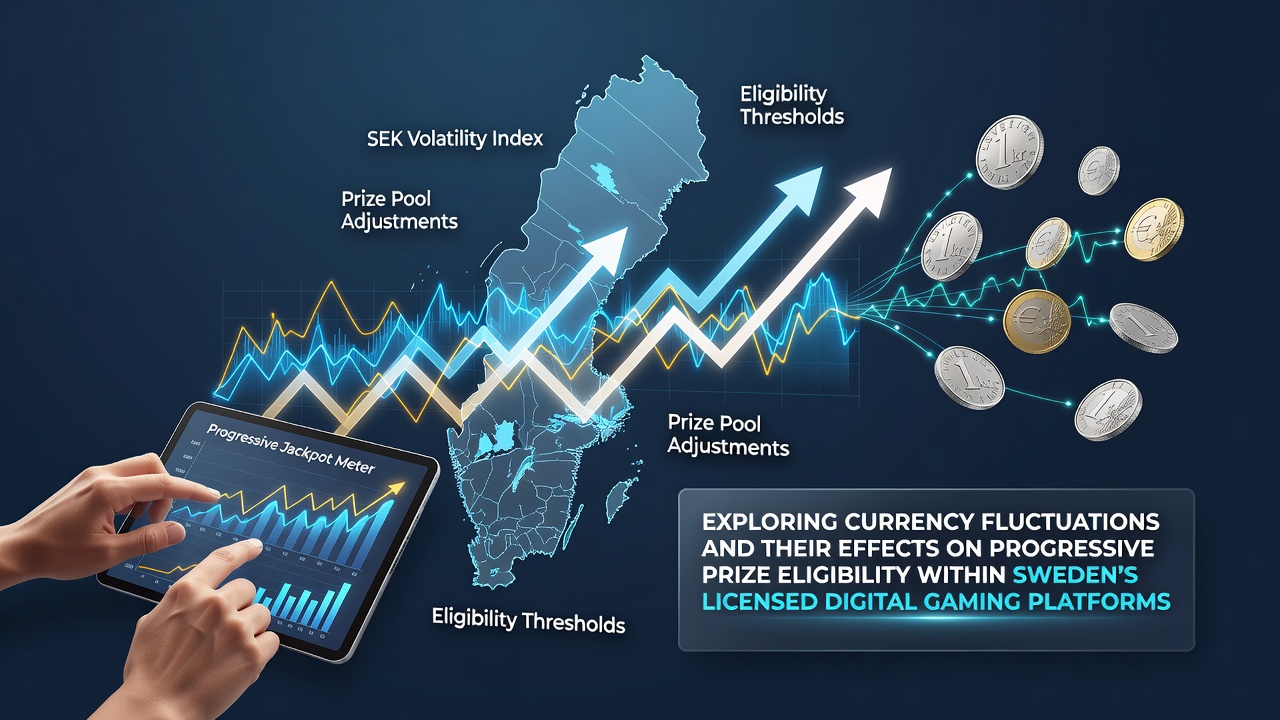
Exploring Currency Fluctuations and Their Effects on Progressive Prize Eligibility Within Sweden's Licensed Digital Gaming Platforms
Sweden's licensed digital gaming sector operates under tight controls from Spelinspektionen, where progressive prize pools accumulate through player contributions across participating platforms, and currency movements introduce variables that influence both pool sizes and player eligibility thresholds. Licensed operators must convert all transactions into Swedish kronor for regulatory reporting, which means shifts in exchange rates between SEK and currencies like the euro or US dollar can alter the effective value of bets placed by international users or those maintaining multi-currency accounts.
Regulatory Framework Governing Progressive Systems
Spelinspektionen requires that progressive jackpots in licensed environments follow strict accumulation rules tied to local currency denominations, so operators track contributions in SEK even when players fund accounts through foreign payment rails. Data from the authority shows that platforms must apply real-time conversion protocols to maintain compliance, which creates situations where a sudden strengthening of the krona against the euro reduces the SEK-equivalent size of a jackpot that had been building from euro-denominated wagers. Observers note that these conversion mechanics directly affect whether a player meets the minimum stake requirements for jackpot eligibility, since bets are evaluated in the reporting currency rather than the deposit currency.
Mechanics of Currency Impact on Eligibility
When exchange rates fluctuate, the value of accumulated contributions can shift overnight, forcing platforms to recalculate prize pools and reset eligibility criteria to stay within licensing parameters. Research indicates that during periods of SEK volatility, some operators adjust their progressive networks by freezing contributions from certain currency pairs until rates stabilize, a practice that emerged after earlier regulatory clarifications on prize integrity. Players who deposit in euros might find their effective bet size drops below the threshold needed to qualify for a share of the pool once conversion occurs, especially if the krona appreciates sharply against other major currencies.

Figures from the Swedish central bank highlight several intervals of notable movement in 2024 and 2025 that coincided with adjustments in jackpot participation rates across major licensed sites. Those who study these patterns point out that platforms often publish updated eligibility tables after significant rate changes, requiring players to review stake minimums in SEK terms before each session. The process ensures transparency yet adds an extra layer for users who must monitor both game rules and external currency markets to keep their qualification status current.
Player Participation Patterns Under Rate Variability
Analyses of transaction data reveal that participation in progressive slots tends to dip when the krona strengthens, because converted bet values fall and push more players below eligibility cutoffs. Conversely, a weaker SEK can inflate the apparent pool size in local terms and encourage higher activity from euro-based accounts. Licensed operators respond by implementing automated alerts that notify users of conversion impacts, a feature that became more widespread after guidelines issued in prior years emphasized consumer information standards.
One study of platform logs demonstrated that sessions involving currency conversion carried higher rates of incomplete jackpot qualification compared with purely SEK-funded play. This outcome stems from timing differences between deposit processing and game entry, where rate movements during those brief windows alter the final eligibility calculation. Platforms mitigate the issue through buffer periods that lock conversion rates for short durations, allowing players to complete their sessions without sudden disqualification.
Developments Scheduled for September 2026
Updated licensing conditions set to activate in September 2026 will require all operators to disclose real-time conversion factors used for progressive prize calculations on player dashboards. The change aims to align reporting practices more closely with emerging European standards for financial transparency in gaming, while Spelinspektionen continues to monitor compliance through quarterly audits. Industry reports suggest these disclosures could reduce disputes over eligibility that arise during volatile exchange periods, since players will see the exact SEK value applied to their contributions at the moment of play.
Conclusion
Currency fluctuations continue to shape how progressive prize eligibility functions inside Sweden's regulated digital gaming environment, with conversion protocols and reporting rules determining whether contributions translate into qualifying stakes. Licensed platforms maintain compliance by integrating live exchange data into their systems, and upcoming requirements in September 2026 will further standardize how those conversions appear to users. According to figures published by the Swedish central bank and analyses from the European Gaming and Betting Association, these dynamics affect participation volumes across currency pairs without altering the core regulatory structure that governs jackpot accumulation. Players and operators alike navigate the resulting adjustments through updated interfaces and clear eligibility metrics tied directly to SEK valuations.