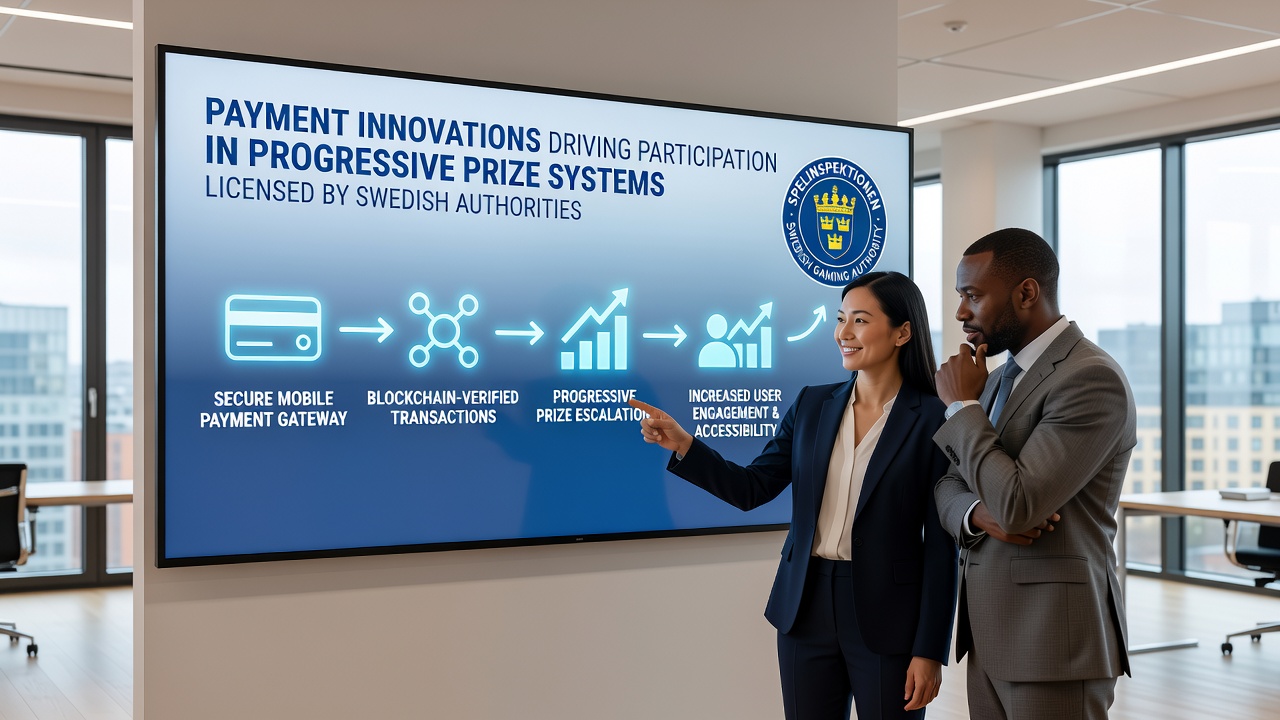
Payment Innovations Driving Participation in Progressive Prize Systems Licensed by Swedish Authorities
Swedish authorities maintain strict licensing requirements that shape how payment systems interact with progressive prize networks, and operators must demonstrate compliance with real-time transaction monitoring protocols before any player can contribute to accumulating jackpots. Data from Spelinspektionen shows that platforms integrating instant settlement methods recorded higher volumes of qualifying bets during the first three quarters of 2026, while slower legacy options continued to lag behind. Observers note that these patterns hold steady into November 2026 as more licensees adopt standardized APIs that link directly to national banking rails.
Instant bank transfers through systems like Swish allow participants to fund accounts and place bets without leaving the platform interface, which reduces friction in multi-stage progressive games where timing affects eligibility. Licensed operators report that transactions processed in under five seconds correlate with increased repeat participation rates compared to those requiring manual confirmation steps. Researchers tracking player behavior across multiple sites found that seamless verification steps also lower abandonment rates during jackpot contribution phases.
Regulatory Framework Supporting Secure Transactions
Swedish licensing conditions require operators to route all payments through audited providers that maintain separate ledgers for progressive contributions, ensuring that funds allocated to prize pools remain isolated from operational accounts. This separation prevents commingling and supports audit trails that regulators review quarterly. Those who examined compliance reports from 2025 through late 2026 noted consistent use of cryptographic hashing to verify transaction integrity across networks.
Payment service directives aligned with EU standards further influence how Swedish platforms handle cross-border elements, yet domestic rules take precedence for prize eligibility calculations. Operators must verify that every bet contributing to a progressive pool originates from an account verified under national identity protocols, and failure to meet these standards results in disqualification of the affected wagers. Figures released by industry monitoring groups indicate that platforms meeting these benchmarks experienced steady growth in active user bases year over year.
Emerging Technologies and Their Integration
Tokenized payment methods and embedded wallet solutions have gained traction among Swedish licensees because they support fractional contributions to progressive pools without exposing full account details during each session. One study released by a Nordic fintech research consortium documented that players using tokenized options completed an average of 18 percent more qualifying rounds per session than those relying on traditional card entry. These tools also enable automated compliance checks that flag suspicious patterns before they reach the prize pool calculation engine.

Blockchain-based settlement pilots appear in select licensed environments where regulators have granted temporary approvals for testing, though full rollout remains limited to environments that satisfy enhanced traceability requirements. Data collected through these pilots shows reduced reconciliation times between player accounts and central prize ledgers, which in turn supports faster validation of jackpot eligibility. Experts tracking adoption rates point out that platforms combining these innovations with existing instant transfer rails achieve higher throughput during peak periods without compromising oversight.
Impact on Player Access and Participation Metrics
Participation statistics compiled by independent analysts reveal that sites offering multiple verified payment rails attract broader demographic segments, particularly among users who prefer mobile-first interactions. Those who compared entry logs across platforms found that diversified payment options correlated with sustained engagement levels even when individual jackpot sizes fluctuated. Swedish rules continue to mandate clear disclosure of processing times and fees so participants understand how each method affects their ability to qualify for accumulating prizes.
Automated reconciliation tools integrated into licensed back-end systems now cross-reference payment confirmations against bet timestamps within milliseconds, which minimizes disputes over progressive contributions. Reports from the European Gaming Association highlight similar trends in other regulated markets, yet Swedish implementations emphasize real-time auditing as a core differentiator. Platforms that upgraded their payment stacks ahead of the 2026 regulatory review cycle reported measurable improvements in transaction success rates during high-volume events.
Conclusion
Payment innovations continue to intersect with Swedish licensing standards in ways that directly influence how players engage with progressive prize systems, and ongoing adaptations through November 2026 reflect both technological advances and regulatory expectations. Operators that align their transaction infrastructure with these requirements maintain eligibility to host accumulating pools while supporting transparent participation pathways. Continued monitoring by authorities ensures that new methods meet established security and traceability benchmarks before wider deployment.