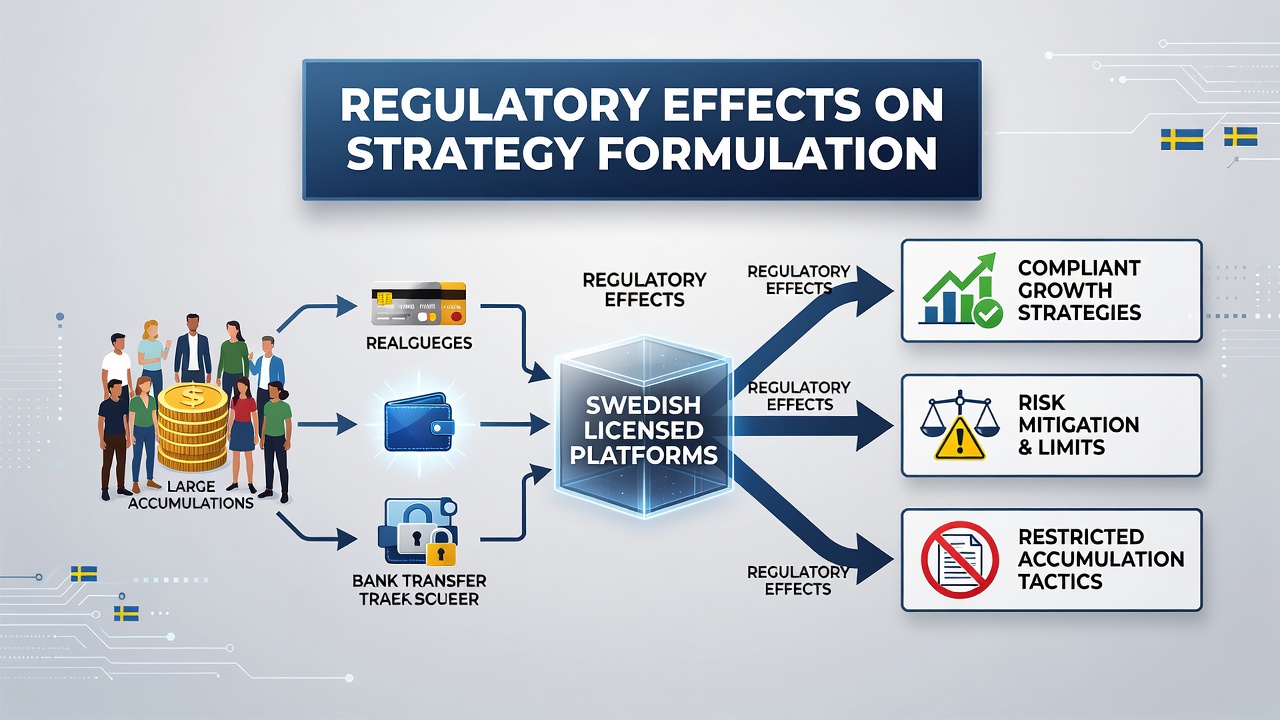
Regulatory Impacts on Player Strategies for Large Accumulations in Swedish Licensed Platforms
Sweden's gambling framework, overseen by the Spelinspektionen authority, imposes structured rules that directly shape how participants approach large prize accumulations across licensed sites, and these constraints extend to the payment methods available for funding play sessions targeting progressive systems.
Under the Swedish Gambling Act, operators must maintain strict licensing standards that limit promotional tools while enforcing verification processes for all transactions, which in turn influences deposit patterns and session planning for those pursuing accumulating jackpots. Players often adjust their approaches because regulations cap bonus structures and require real-time monitoring of activity levels, creating a landscape where payment selection becomes a core element of any sustained strategy.
Payment Method Restrictions and Their Role in Accumulation Planning
Licensed platforms in Sweden support a range of transaction options including bank transfers, card payments, and certain e-wallets, yet each carries distinct verification timelines and fee structures mandated by compliance requirements. Those targeting large accumulations frequently favor methods that allow rapid, repeated deposits without triggering additional review steps, since delays can interrupt momentum during peak jackpot growth periods. Data from regulatory filings indicate that platforms must integrate payment gateways compliant with anti-money laundering protocols, which adds layers of confirmation that affect timing decisions for participants building toward major prize thresholds.
What's notable is how these rules interact with deposit limits that operators enforce on a per-account basis, forcing strategic choices around frequency and volume of funding. For instance, bank transfers provide high security and alignment with national banking standards, but they process more slowly than instant alternatives, leading some to incorporate them only for larger, planned allocations rather than spontaneous top-ups.
Effects on Progressive Jackpot Engagement
Progressive networks available through Swedish-licensed operators connect multiple games into shared accumulation pools, and regulatory oversight ensures these systems operate transparently with clear contribution rates from each wager. Strategy formulation here involves selecting payment options that minimize processing interruptions, because any lag in fund availability can reduce the number of spins or bets placed during optimal jackpot cycles. Observers note that participants commonly cross-reference platform payout histories with transaction reliability to identify combinations that support consistent participation without exceeding regulatory thresholds on play intensity.

September 2026 marks the scheduled review point for several licensing conditions related to transaction monitoring, which may introduce updated verification standards across payment providers and further refine how players sequence their funding activities in pursuit of accumulating prizes. Research from the European Gaming and Betting Association highlights similar patterns in regulated markets where payment flexibility correlates with sustained engagement levels in jackpot-linked titles.
Integration of Responsible Gambling Tools with Funding Strategies
Swedish regulations require all licensed platforms to offer self-imposed deposit caps and session reminders that integrate directly with payment processing systems, meaning any strategy for large accumulations must account for these automated boundaries. Participants who select e-wallet options often benefit from faster reconciliation of these limits, allowing precise calibration of expenditure across multiple games within a single accumulation network. Figures from industry reports reveal that such tools have prompted shifts toward diversified payment usage, where individuals alternate between slower, traceable methods for bulk transfers and quicker ones for incremental adjustments.
Those who've studied participation data across licensed sites observe that compliance with age and identity checks at the payment stage reduces the risk of account restrictions mid-session, preserving access to jackpot features that rely on continuous play. This setup encourages methodical planning around payment verification windows rather than impulsive funding decisions.
Comparative Approaches Across Licensed Operators
Different Swedish platforms implement the same national rules with slight variations in supported payment partners, which creates opportunities for strategic selection based on processing speed and fee transparency. Bank-centric options tend to dominate for higher-value transfers aimed at jackpot targeting, while digital wallets see higher volume for smaller, repeated actions that build toward accumulation goals. A study from the Australian Institute of Family Studies on regulated gaming environments notes parallel dynamics where payment infrastructure influences long-term participation patterns in prize pool systems.
Operators must report transaction volumes and player behavior metrics to Spelinspektionen on a regular basis, providing aggregate insights that indirectly inform how funding strategies evolve over time. This reporting cycle reinforces the need for payment choices that align with both personal accumulation targets and overarching compliance frameworks.
Conclusion
Overall, Sweden's regulatory environment channels strategy development for large accumulations toward deliberate payment selection that respects verification protocols, deposit safeguards, and operational transparency requirements on licensed platforms. As updates approach in September 2026, these dynamics will likely continue evolving in response to refined transaction standards while maintaining focus on secure, accountable participation across progressive jackpot networks.