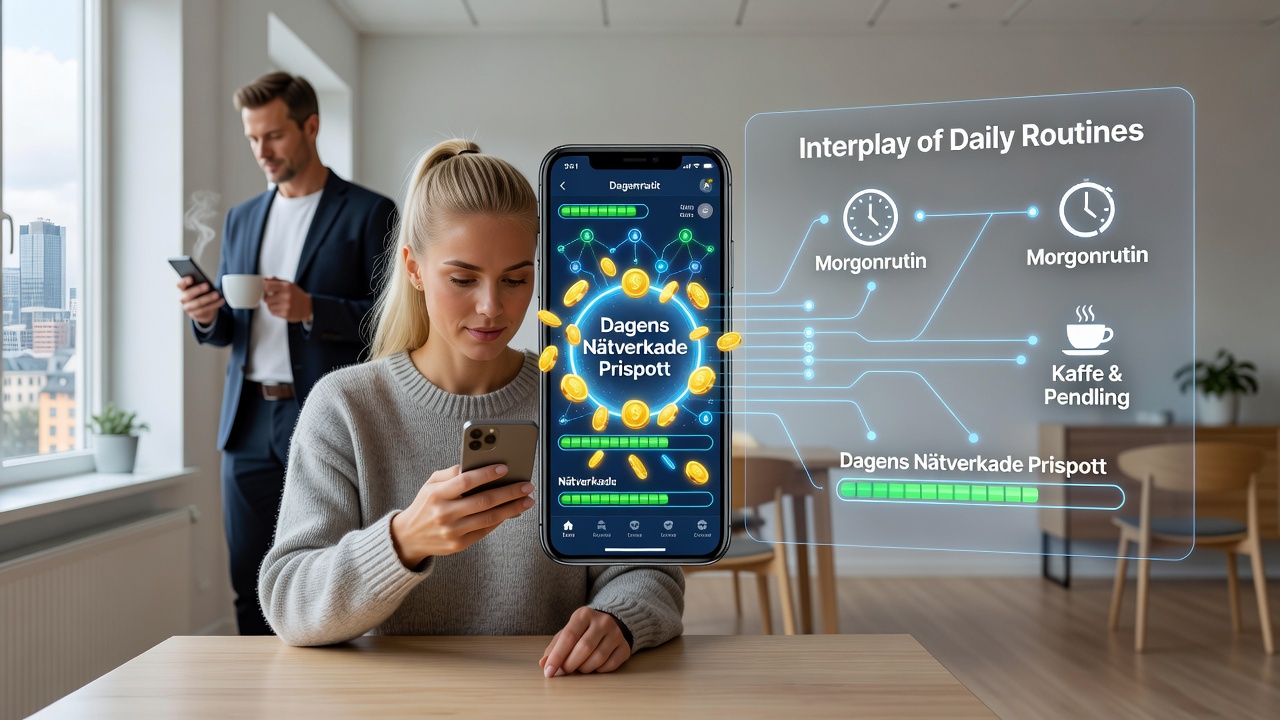
The Interplay of Daily Routines and Networked Prize Pools on Swedish Mobile Gambling Apps
Swedish mobile gambling applications integrate networked prize pools with the rhythms of everyday life, where players connect through regulated platforms licensed by national authorities. These systems pool contributions across multiple operators, creating accumulating jackpots that draw from widespread participation patterns tied to commuting hours, work breaks, and evening downtime. Data from regulatory monitoring shows consistent activity spikes during morning and afternoon travel periods, when users access apps via smartphones on trains and buses throughout major cities like Stockholm and Gothenburg.
Networked Prize Mechanisms Under Swedish Licensing
Networked prize pools operate through interconnected platforms that share player stakes across licensed operators, building progressive amounts that reset after wins and grow with ongoing contributions. The Swedish Gambling Authority oversees these arrangements to ensure compliance with strict allocation rules, where a portion of each wager feeds into the shared pool while operators maintain separate game structures. Research indicates that mobile interfaces allow seamless entry during short intervals, enabling users to participate without disrupting fixed schedules such as school runs or office meetings. As of November 2026, platform updates have refined notification systems that alert players to pool growth during typical midday lulls.
Patterns of Daily Engagement on Mobile Devices
Users often log into applications during predictable windows shaped by urban lifestyles, including early commutes and post-work relaxation phases. Studies from academic institutions in Scandinavia reveal that participation rates rise when routines include waiting periods, such as queues at cafes or pauses between appointments. Networked pools benefit from this distributed input, as contributions accumulate steadily rather than in concentrated bursts. Observers note that mobile apps incorporate quick-session designs with one-tap mechanics that fit these fragmented time slots, allowing players to add to the pool while maintaining focus on primary tasks.
Regulatory Framework Supporting Routine Integration
National licensing standards require operators to implement time-management tools within apps, including session reminders and spending trackers that align with users' self-set daily boundaries. These features help maintain balance as people weave gambling activities into established habits like evening television viewing or weekend errands. According to reports from the European Commission's gambling oversight initiatives, Sweden's model emphasizes transparency in pool mechanics, with real-time displays showing contribution percentages from various regions. This setup encourages steady engagement across diverse schedules without favoring any single demographic pattern.
Contribution Dynamics Across Routine-Based Access
Contributions to networked pools reflect the volume of short, repeated interactions that characterize mobile use in Sweden, where data transmission occurs reliably through 5G networks during peak travel times. Industry analyses from Canadian research centers on digital gaming highlight how similar mobile ecosystems see elevated activity when users combine routine tasks with app access, such as checking pool sizes while preparing meals. Swedish platforms mirror this through localized interfaces that update pool values instantly, prompting additional plays during natural breaks in the day. Figures reveal that aggregate contributions from these intervals sustain pool growth more consistently than sporadic large sessions.
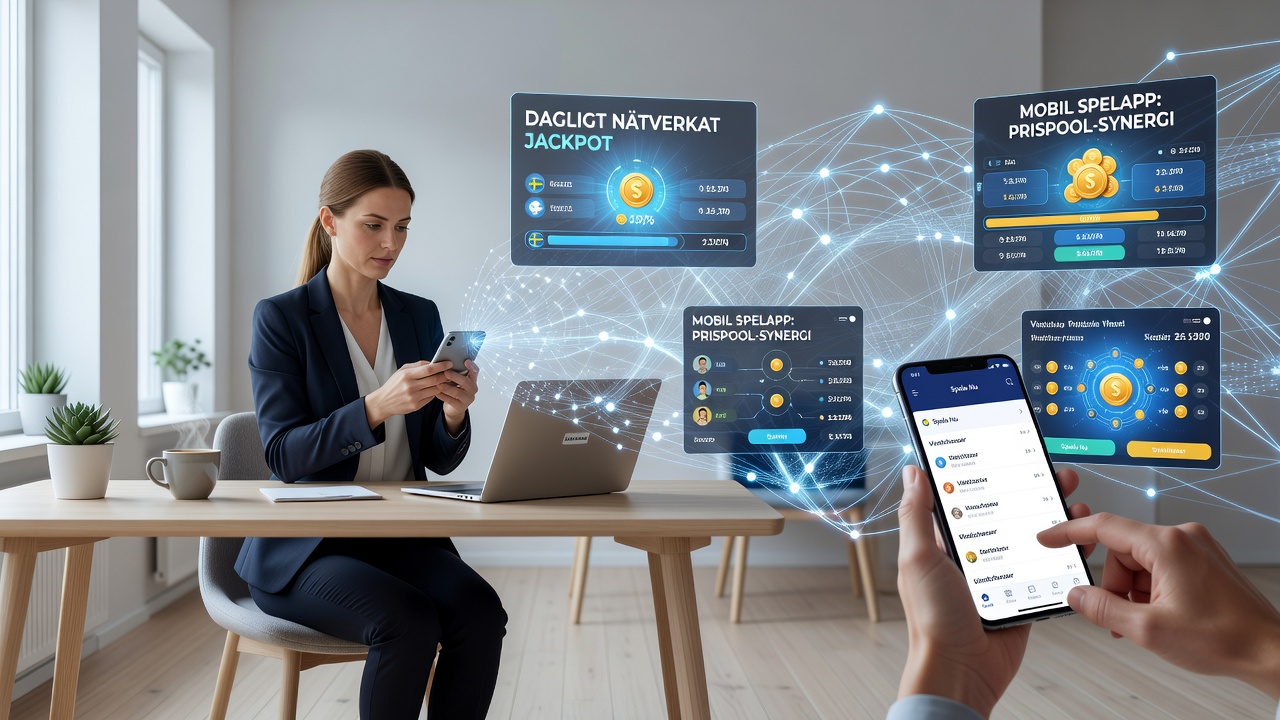
Seasonal shifts also influence these patterns, with November 2026 data pointing to increased evening participation as daylight hours shorten and indoor routines expand. Operators adjust pool visibility settings to match these changes, presenting updated totals at times when users typically settle into leisure periods after dinner or family activities. This alignment supports sustained contributions while respecting the regulated environment that limits promotional timing.
Technological Features Enhancing Routine Compatibility
App developers incorporate biometric login options and offline cache capabilities that allow participation even during brief connectivity gaps common in subway systems or rural routes. These tools enable users to maintain their involvement in prize pools without altering core daily sequences. Research from Australian gambling studies centers demonstrates parallel trends in mobile markets, where seamless integration with personal calendars reduces friction for players managing multiple responsibilities. Swedish licensed applications apply comparable approaches through mandatory verification steps that occur once per session, preserving flow across morning, afternoon, and night cycles.
Broader Impacts on Pool Accumulation
The collective effect of routine-driven access creates stable accumulation rates for networked prizes, as documented in aggregated operator reports submitted to oversight bodies. Players contribute incrementally throughout the day, spreading input across varied locations and times rather than concentrating efforts in single blocks. This distribution supports pool resilience against individual win events, since ongoing micro-contributions from widespread users replenish totals steadily. External monitoring from international trade associations confirms that regulated markets like Sweden's see higher retention when apps accommodate natural lifestyle cadences.
Conclusion
Swedish mobile gambling apps demonstrate clear connections between established daily routines and the mechanics of networked prize pools through regulated design choices and participation data. Licensed platforms facilitate contributions during commutes, breaks, and evening periods while adhering to national standards that govern pool management and player tools. As routines evolve with technological and seasonal factors, these systems continue to reflect measurable patterns of access and accumulation across the user base.