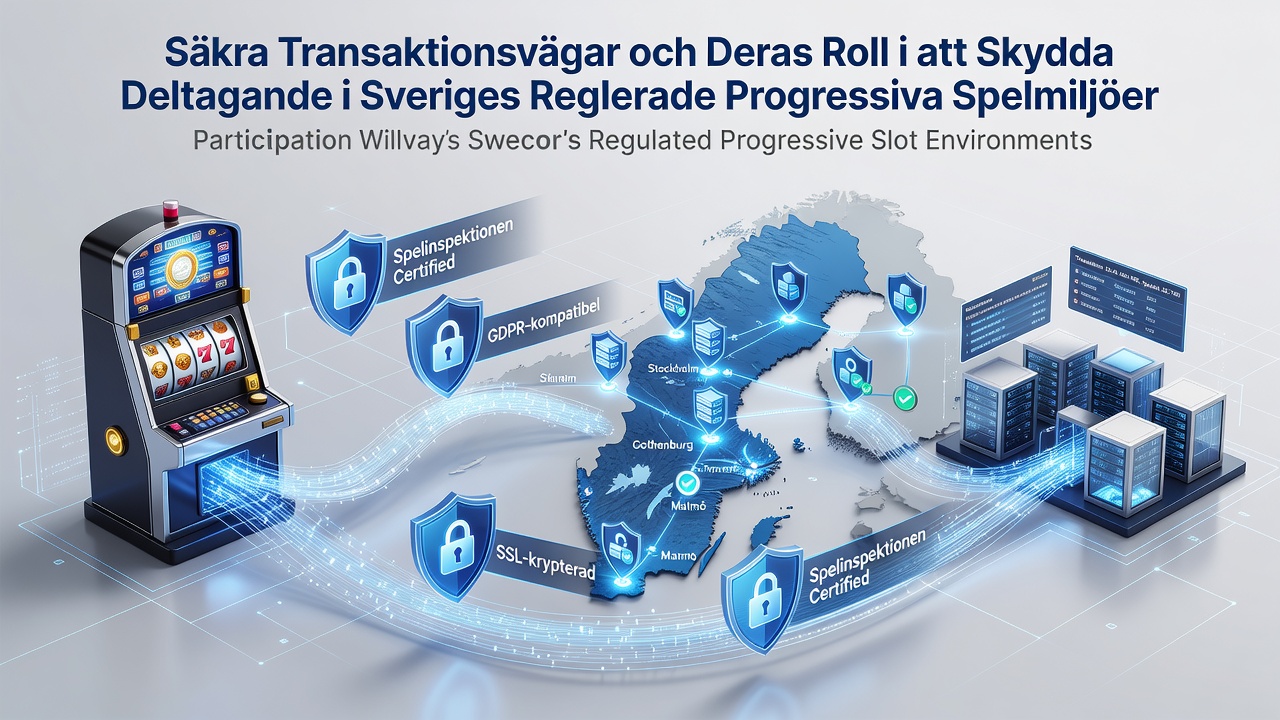
Tracing Secure Transaction Pathways and Their Role in Safeguarding Participation Within Sweden's Regulated Progressive Slot Environments
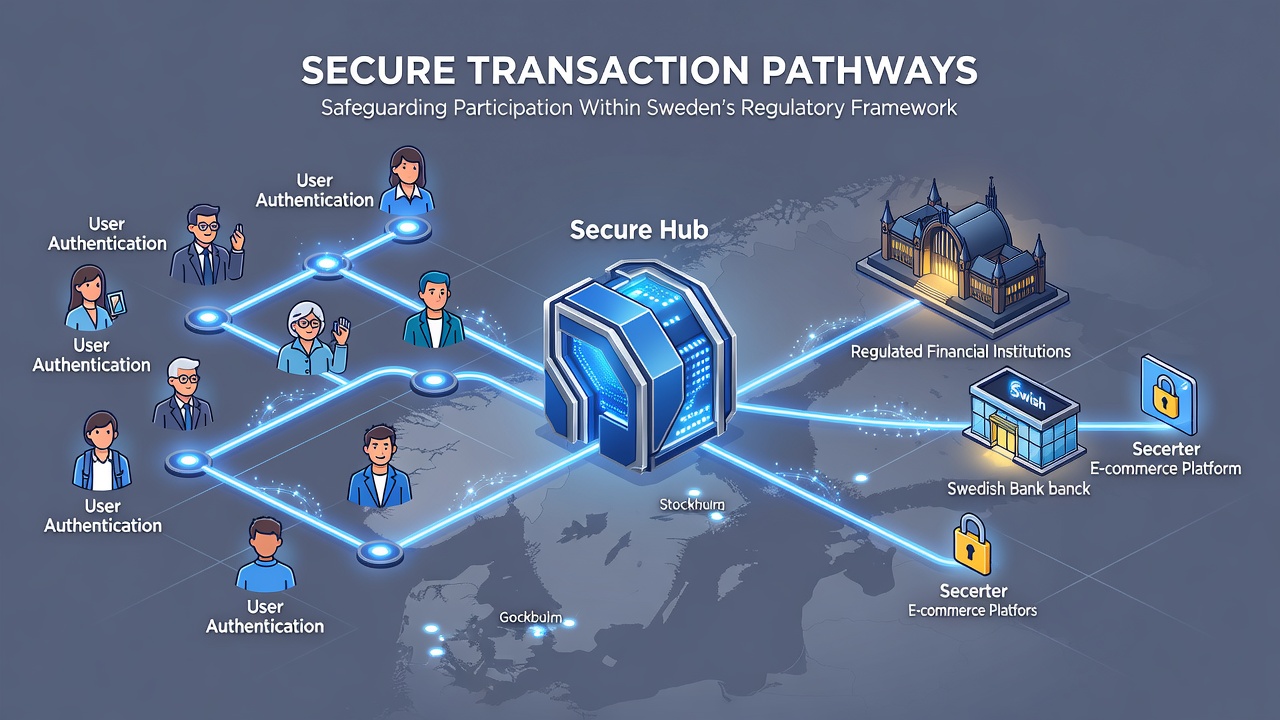
Secure transaction pathways form the backbone of Sweden's regulated progressive slot environments where players engage with accumulating jackpots under strict oversight from the Swedish Gambling Authority and these pathways ensure every deposit, withdrawal and prize allocation moves through encrypted channels that meet national licensing standards while maintaining continuous verification at each step in the process.
Core Components of Transaction Pathways in Swedish Gaming
Swedish licensed operators must integrate multi-layered encryption protocols along with real-time monitoring systems that track funds from player accounts to central jackpot pools and back again when wins occur and this structure prevents unauthorized access while complying with the Gambling Act that has governed online platforms since its major updates in recent years.
Data from the Swedish Gambling Authority shows that progressive slot networks require every transaction to pass through certified payment gateways approved by the regulator and these gateways log timestamps, amounts and account identifiers in immutable records that auditors review during routine inspections conducted throughout the licensing period.
Regulatory Framework Supporting Secure Participation
Sweden's licensing system demands that operators demonstrate full traceability for all progressive contributions and prize distributions and this requirement aligns with broader European Union directives on digital payments that emphasize consumer protection across member states. As of October 2026 new compliance modules have been phased in to strengthen cross-border verification when players from other EU countries access Swedish platforms through approved channels.
Researchers at institutions such as the University of Gothenburg have examined how these pathways reduce discrepancies in jackpot accounting and their findings indicate that platforms using end-to-end encryption report fewer instances of disputed transactions compared to earlier systems that lacked such integrated safeguards.
Role in Preventing Fraud and Ensuring Fair Play
Secure pathways incorporate tokenization methods that replace sensitive card details with unique identifiers during each session and this approach limits exposure even if a connection experiences temporary vulnerability while still allowing seamless contributions to shared progressive pools across multiple licensed sites. Operators must also maintain separate ledgers for local player funds and international contributions to meet segregation rules enforced by the authority.
One documented case involved an operator that detected an anomaly in a progressive pool during routine pathway audits and the system automatically flagged the irregularity before any funds left the network allowing swift intervention without affecting player balances. Such examples illustrate how continuous monitoring within these pathways supports both security and operational continuity.
Integration with Player Verification and Self-Exclusion Systems
Transaction pathways connect directly to national self-exclusion registers and identity verification services so that any attempt to participate after opting out triggers an immediate block at the payment stage and this linkage ensures that progressive slot participation remains available only to those who meet ongoing eligibility criteria defined by Swedish regulations.
According to reports published by the European Gaming and Betting Association operators have reported improved efficiency in handling verified transactions since implementing unified pathway standards and these improvements stem from standardized data formats that reduce processing delays while preserving full audit trails for regulatory review.
Technical Standards and Future Developments
Current technical requirements specify the use of protocols such as TLS 1.3 for all data in transit along with regular penetration testing conducted by independent third parties and these measures help maintain the integrity of progressive jackpot calculations that depend on accurate aggregation of small contributions from thousands of individual bets across the network.
Updates scheduled for implementation beyond October 2026 focus on incorporating blockchain elements for additional transparency in jackpot seed values and contribution tracking although full rollout will depend on approval processes managed by the Swedish Gambling Authority in coordination with licensed technology providers.
Conclusion
Tracing secure transaction pathways reveals their essential function in upholding the stability and trustworthiness of Sweden's progressive slot environments under national regulation and continued refinement of these systems supports ongoing player participation by maintaining clear records, preventing interference and aligning with evolving payment security expectations across the European context.